info@datainception.co
727-637-1417
Pick Your language here From the drop down
Development of an Online Pharmacy from Monolithic to Microservices
An online pharmacy company had an existing monolithic platform for their online store, but it had become increasingly difficult to maintain and update as the business grew. They were looking for a way to improve the scalability and flexibility of their system while also reducing the maintenance costs.
Problem:
The company faced several challenges with their monolithic platform, including:
Difficulty in updating and scaling different components of the system without affecting the entire system
Difficulty in quickly adapting to changes in customer needs and market trends
Difficulty in identifying and fixing bugs in a complex system
High maintenance costs
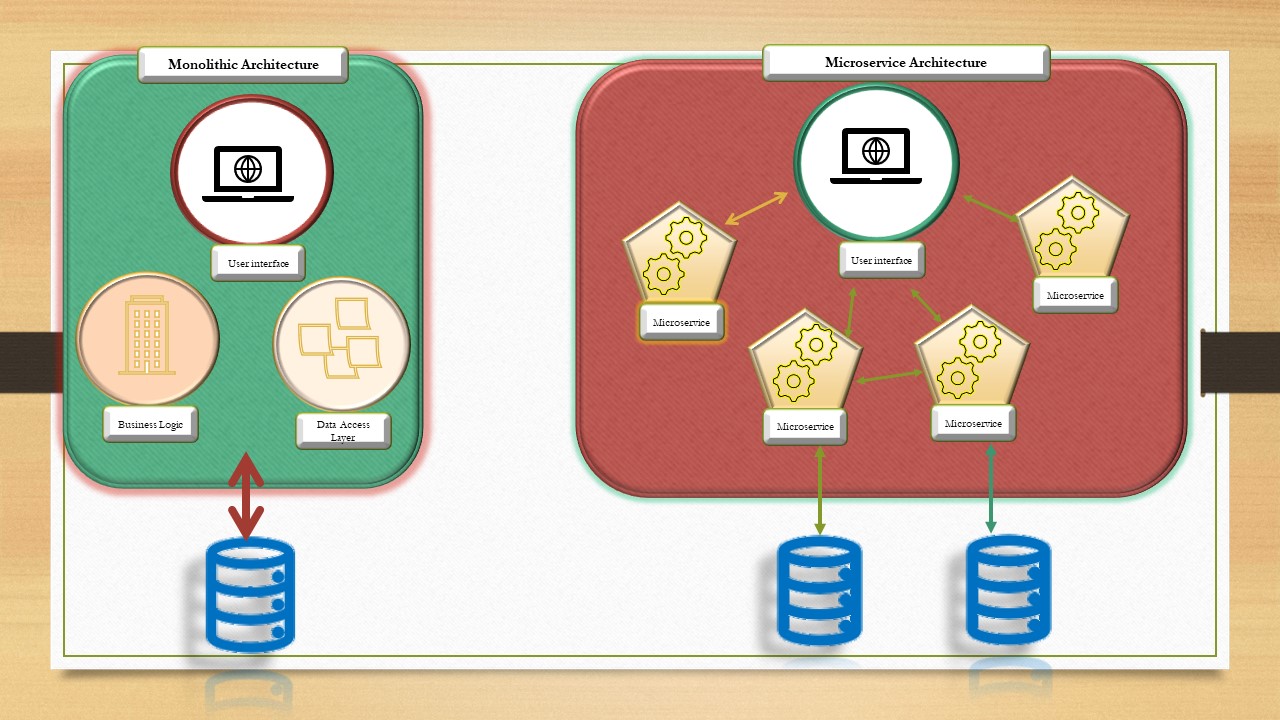
Solution:
The company decided to move from a monolithic architecture to a microservices architecture. This approach would allow them to:
Break down their system into smaller, independent components that could be developed, tested, and deployed independently
Scale and update different components of their system without affecting the entire system
Quickly adapt to changes in customer needs and market trends by updating or replacing individual microservices
Reduce maintenance costs by only having to maintain and update the specific microservice that needed it.
Implementation:
The company began by identifying the different components of their system, such as inventory management, order processing, and customer management. They then developed each component as a separate microservice and connected them through APIs. They used various technologies such as NodeJS, GoLang, MongoDB, and Kubernetes to build the microservices. They also used load balancers to distribute the traffic among the microservices and ensure that the system can handle high traffic. They also implemented monitoring and logging to ensure that they can quickly identify and fix any issues that may arise.
Results:
The move from a monolithic architecture to a microservices architecture allowed the company to:
Improve scalability and flexibility of the system
Increase their reach by being able to quickly adapt to changes in customer needs and market trends
Improve the maintainability and scalability of their system by breaking it down into smaller, independent components
Reduce maintenance costs by only having to maintain and update the specific microservice that needed it.
In conclusion, the move to a microservices architecture allowed the company to build a more flexible and adaptable platform that could handle high traffic, improve the customer experience, and reduce maintenance costs. It also allowed the company to quickly respond to changes in the market and customer needs.
Stay Update!!!
Quick Links
Get In Touch
Chesterfield,Mo
info@datainception.co
727-637-1417
© DataInception.co. All Rights Reserved. Designed by DataInception.co